GUEST GUIDE
CULTURE & LOCAL CUSTOMS – only the essentials
- Ocean rhythms: Zanzibar lives to the rhythm of the tides – the ocean retreats twice daily, exposing vast stretches of seabed. Strolling through sandbars dotted with crabs and sea urchins is part of daily life. The incoming tide returns swiftly, so it’s worth using tide-tracking apps.
- Women and seaweed: In traditional villages, especially along the east coast, women harvest and dry seaweed. It’s one of the few independent income sources available to local women.
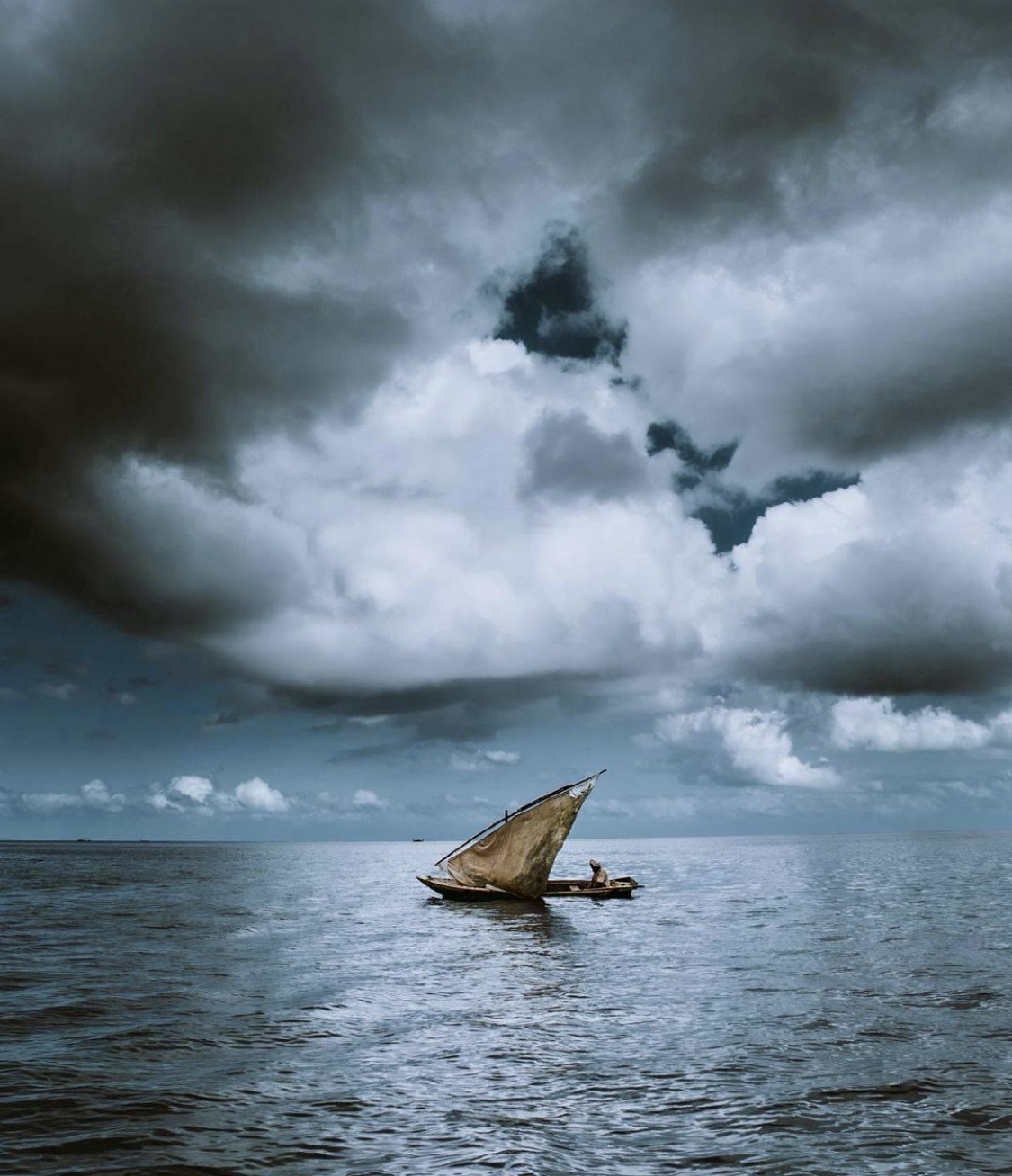
- Wood with a soul: Dhows – traditional fishing boats – are made from salvaged wood, often from wrecks. Many of the furnishings at Tangawizi Lodge (frames, furniture) are crafted from this very wood.
- Music & dance culture: Taarab – Zanzibar’s signature music – blends Arabic, African and Indian rhythms. It’s played on instruments like the oud and qanun, accompanying weddings and celebrations. Chakacha, a sensual hip dance performed by women, is often part of local festivities.
- Kanga and pareo: Brightly colored kanga fabrics are everywhere – worn as dresses, headscarves, sun covers, baby wraps or tablecloths. Each kanga carries a printed message in Swahili – a proverb, love note, or witty saying. Often humorous, poetic or philosophical, kangas are not just garments – they’re a unique form of cultural expression and emotional storytelling.
- Ramadhan: During the holy month of Ramadan, many shops and restaurants outside hotels may be closed during the day. Local customs call for modesty – eating, drinking or smoking in public is considered disrespectful. After sunset, the streets come alive with food stalls and lively gatherings.
- Cuisine: Zanzibar is the island of spices – ginger, cardamom, cloves, cinnamon, turmeric (especially in pilau rice). The local kitchen serves up ugali (maize mash), chapati (flatbread), samosas, seafood curries, fish soups and abundant tropical fruits: jackfruit, papaya, mango, pineapple, starfruit and dozens of banana varieties.
- Water & hospitality: In many homes, offering bottled water to a guest is a sign of respect. Visitors are welcomed with a broad smile and the word Karibu! (Welcome!). Hosts will gladly share even the most humble meal. In return, a kind thank-you and a gift of rice, oil, flour or beans for the family are deeply appreciated.
Things to Know Before You Arrive
- Visa and entry form: Tourist visa costs 50 USD. Available online (https://visa.immigration.go.tz/) or at the airport. The entry form is also online — best to download and print in advance.
- ZIC Insurance: Mandatory tourist health insurance (44 USD) can be purchased online:https://inbound.visitzanzibar.go.tz/
- Cash and currency: Bring USD (printed after 2006) or EUR. Exchange rates at the airport are worse than in hotels or local exchange offices.
- SIM card and phone: Do not buy a SIM card at the airport — the hotel will help you get one without overpaying.
- Driving permit: If you want to rent a car, contact the hotel before arrival — you will need a local permit.
- Vaccinations and hygiene: No mandatory vaccinations. Recommended: wash hands, wash fruits, avoid drinking tap water.
- Packing: Bring painkillers, anti-diarrhea meds, mosquito spray, sunscreen, water shoes, light clothes, and a scarf or shawl.
- Local transport: Dala-dala is a cheap local minibus — a cultural experience, but crowded and slow. Tuk-tuks and boda-bodas are motorbikes/rickshaws — good for short distances.
- Beach boys and tours: Avoid using random beach vendors — always consult the hotel. All trips and transfers can be arranged on-site.
- Ocean tides: Tides change twice daily — use a tide tracking app. Low tide reveals the ocean floor — explore it with water shoes, but return before high tide.
- Culture and clothing: Zanzibar is a Muslim island — cover shoulders and knees outside the hotel. Inappropriate clothing can lead to fines. Swimwear only at the hotel and beach.
- Prohibited actions and good practices: Do not give money or candy to children. Do not take starfish from the sea or export shells. Don’t ride motorcycles on the beach. Ask the hotel how to help locals properly.
- Contacts and registrations: Polish Consulate in Dar es Salaam: +255 22 219 5300
- Tourist Police in Stone Town: +255 24 223 7893
- Official website: https://visitzanzibar.go.tz/
- Drone registration: https://tcaa.go.tz/
- FB support group: https://web.facebook.com/groups/polacynazanzibarze
ZANZIBAR LEGENDS – have you heard them?
- The Princess & the Fisherman
Long ago, a sultan’s daughter fell in love with a poor fisherman. Each night she would escape the palace through secret passages to meet him on the cliffs. When her father discovered their affair, he forbade her from leaving. Defiant, she ran anyway – the rocks were wet, the tide strong. She slipped or was pulled into the sea. Her body was never found. They say that under the full moon, you can hear her song in the wind and see her light flicker in the waves. - The Goddess’s Necklace
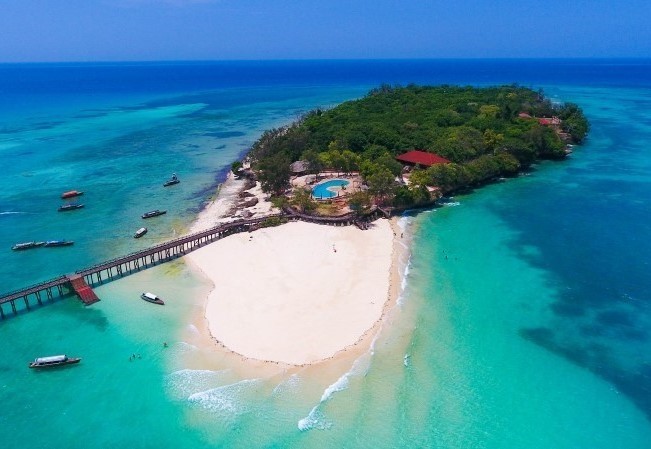
Zanzibar and its surrounding isles were born from a legend: a sea goddess, angered by humans defiling her sacred forest, flew through the skies and accidentally dropped her pearl necklace. Each pearl that hit the water became an island – Unguja, Pemba, Mnemba… It’s said that anyone who finds the “Shining Pearl of the Ocean” will be granted eternal peace by the goddess herself. - Mango & Blood
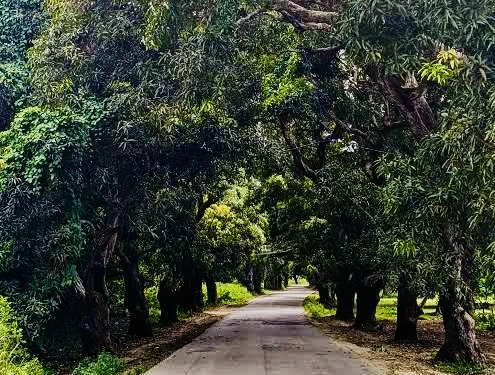
A sultan’s daughter was obsessed with love and power. Every man she loved, she ordered executed after a night of passion. Their bodies were buried in her garden. Mango trees now grow from those graves – and legend says their flavor changes depending on the emotions of the lover’s final kiss. Some mangoes are sweet, others sour… others bitter as betrayal.